What is an Air Quality Management Area? In the UK, there are Air Quality Standards which set the legal limits for outdoor levels of certain pollutants, including nitrogen dioxide (NO2), particulate matter (PM10 and PM2.5) and sulphur dioxide (SO2), at certain locations where members of the public would be regularly exposed. Air Quality Standards areContinueContinue reading “Air Quality Management Areas: Implications for planning applications”
Tag Archives: air quality management
Low NOx Boilers: Meeting London’s Air Quality Regulations for a Healthier Environment
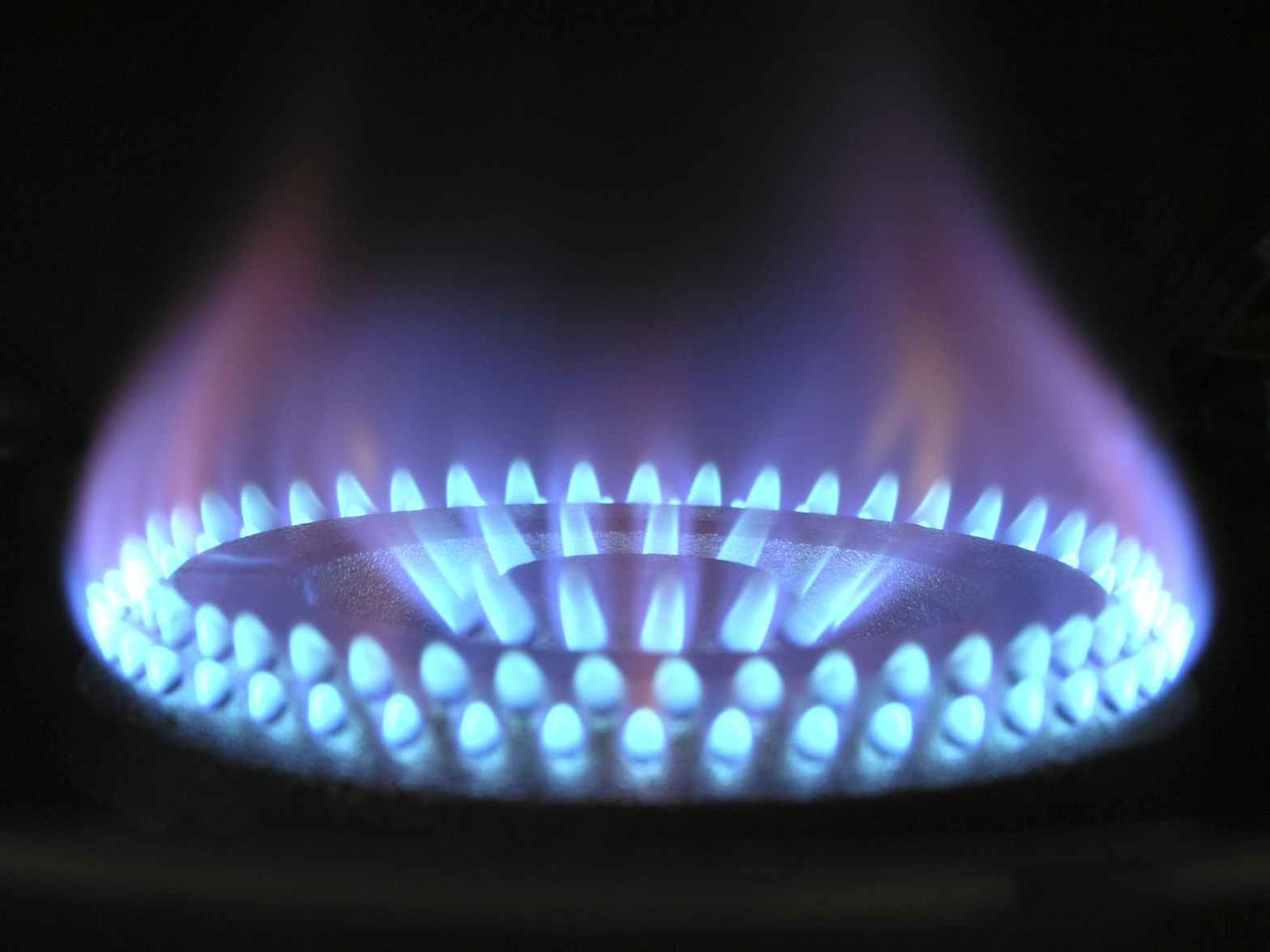
If you’re looking to buy a new gas boiler for your home, it’s important to consider the environmental impact of your choice. Nitrogen oxides (NOx) are a harmful pollutant emitted by gas boilers during combustion, and they can contribute to poor air quality and respiratory problems. In the UK, there are regulations in place toContinueContinue reading “Low NOx Boilers: Meeting London’s Air Quality Regulations for a Healthier Environment”
The Chief Medical Officer’s Report on Air Pollution: What could it mean for developers?
England’s Chief Medical Officer, Professor Chris Whitty, in his annual report published on 8th December 2022, set out that more must be done, and can be done, to improve air quality across the UK. The report’s executive summary begins by explaining that “air pollution affects us all” and that the mortality burden associated with airContinueContinue reading “The Chief Medical Officer’s Report on Air Pollution: What could it mean for developers?”
How can local authorities identify significant sources of air pollution, using freely available data?
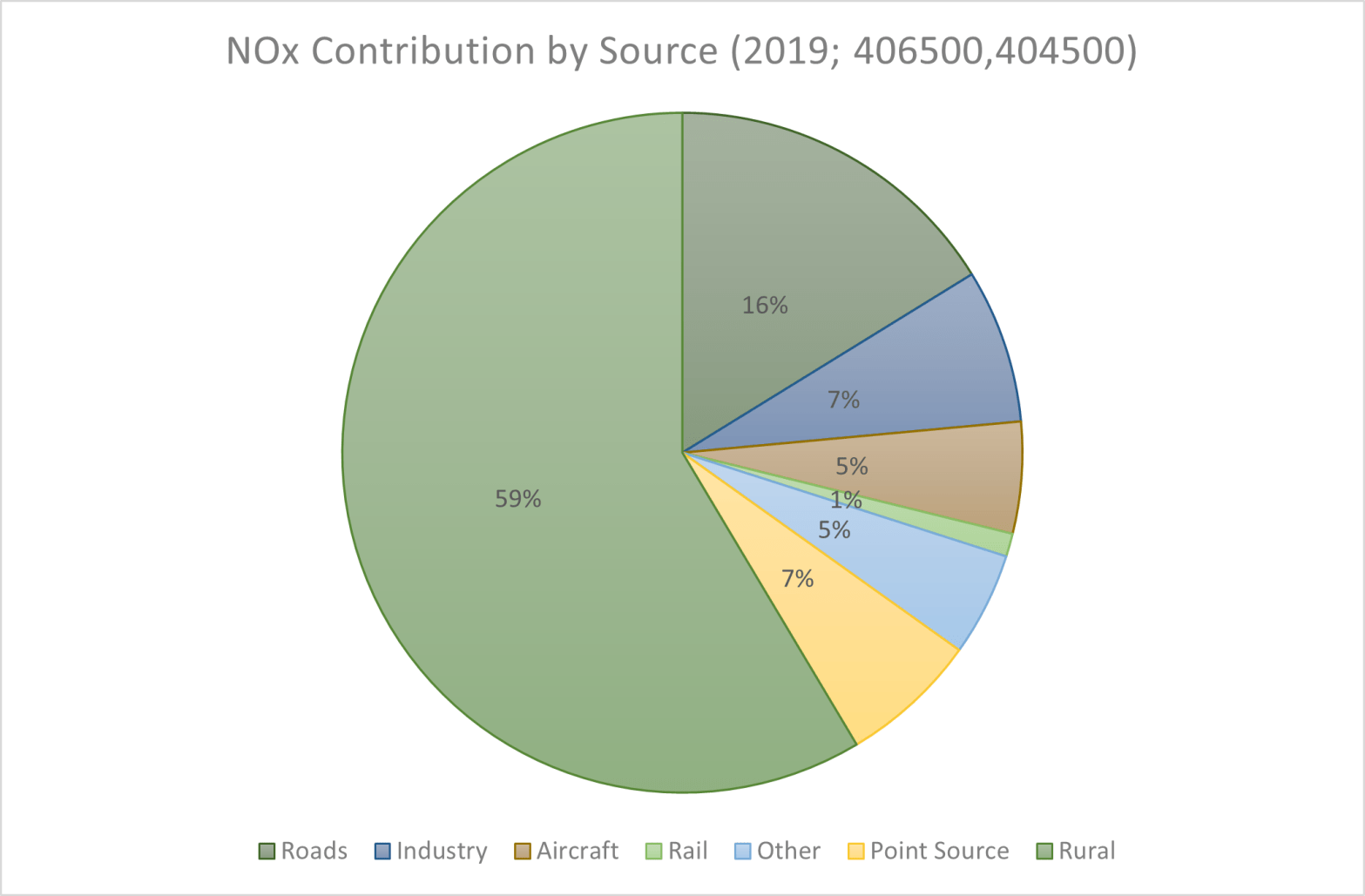
This post is written for local authorities in the UK who are interested in identifying the principal source of air pollution in their local area, to support Air Quality Action Plans (AQAP) and Air Quality Strategies. Local authorities are required to manage air quality in their administrative boundaries as part of their responsibilities under PartContinueContinue reading “How can local authorities identify significant sources of air pollution, using freely available data?“
 Greenavon Air Quality Consultants