Struggling with persistent household odours? Our comprehensive guide explores the intricate world of indoor air quality, delving into the role of volatile organic compounds (VOCs) and the challenges of pinpointing their sources. Discover practical steps to identify and mitigate odours, from monitoring equipment to ventilation strategies. Plus, learn how Greenavon’s professional air quality assessments can provide tailored solutions for a healthier home environment. Breathe easier with our expert guidance today!
Author Archives: harley parfitt
Air Quality Management Areas: Implications for planning applications
What is an Air Quality Management Area? In the UK, there are Air Quality Standards which set the legal limits for outdoor levels of certain pollutants, including nitrogen dioxide (NO2), particulate matter (PM10 and PM2.5) and sulphur dioxide (SO2), at certain locations where members of the public would be regularly exposed. Air Quality Standards areContinueContinue reading “Air Quality Management Areas: Implications for planning applications”
Comparison of EFT v11 and EFT v12: Implications for Air Quality Assessment
On Friday 24th November, Defra issued a new version of its Emission Factor Toolkit (EFT v12). The EFT is routinely used in air quality assessments across the UK and provides estimates of how emissions from different types of vehicles, in different parts of the country will change in the future. An update to the EFTContinueContinue reading “Comparison of EFT v11 and EFT v12: Implications for Air Quality Assessment”
Updated IAQM Construction Guidance: Implications for Developers
Explore the recent updates to the Institute of Air Quality Management (IAQM) construction guidance in the UK. Learn how these changes affect dust risk assessments and mitigation strategies for developers and contractors.
Low NOx Boilers: Meeting London’s Air Quality Regulations for a Healthier Environment
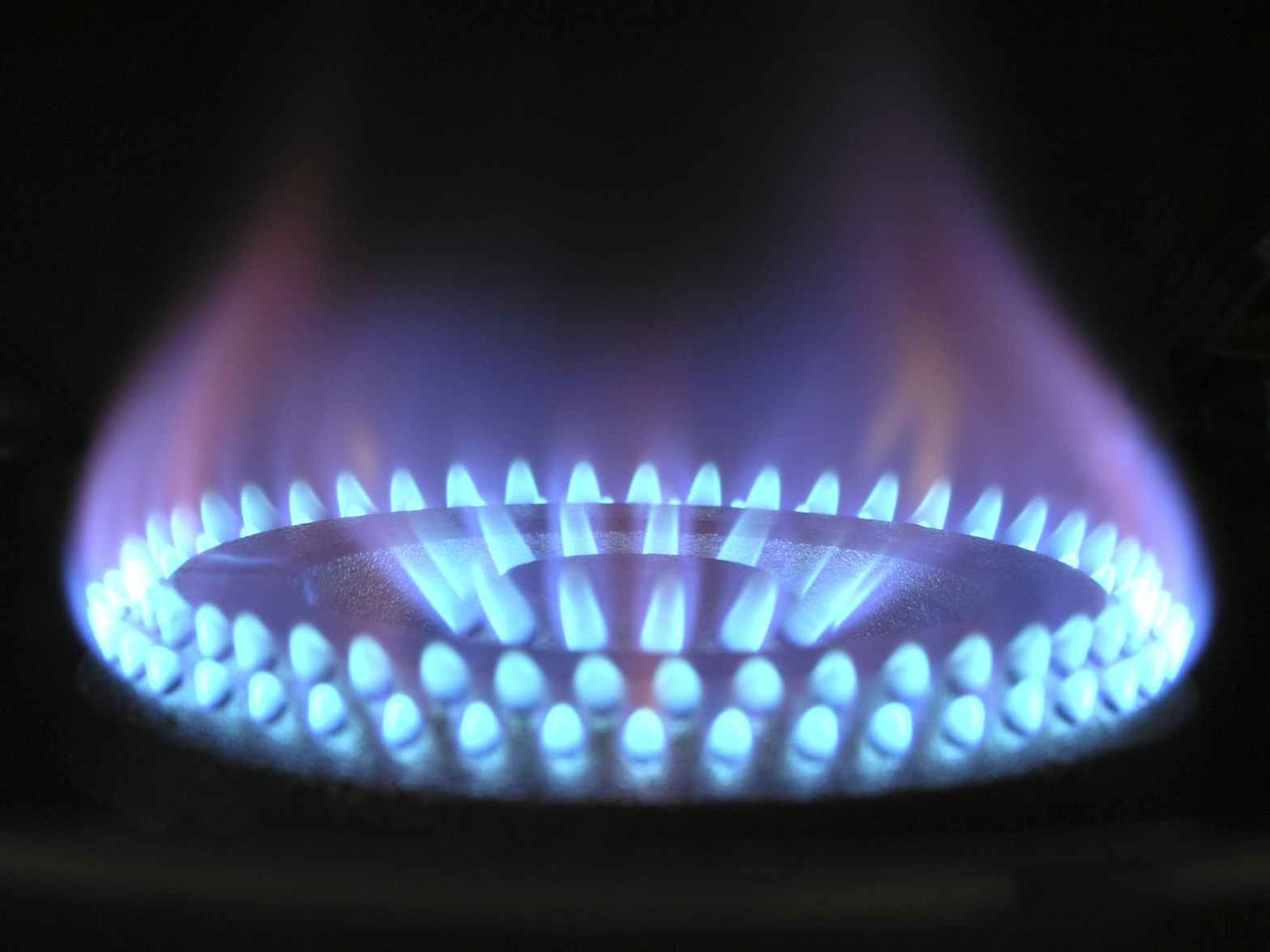
If you’re looking to buy a new gas boiler for your home, it’s important to consider the environmental impact of your choice. Nitrogen oxides (NOx) are a harmful pollutant emitted by gas boilers during combustion, and they can contribute to poor air quality and respiratory problems. In the UK, there are regulations in place toContinueContinue reading “Low NOx Boilers: Meeting London’s Air Quality Regulations for a Healthier Environment”
Improve Your Indoor Air Quality: The Pros and Cons of Adding Indoor Vegetation According to NASA’s Study on Air Purifying Plants

The Pros of Indoor Vegetation on Air Quality Indoor air quality is crucial for maintaining a healthy living environment, especially as people spend up to 90% of their lives indoors. Poor air quality can cause various health issues, including headaches, allergies, respiratory problems and is a long term risk factor in heart disease and manyContinueContinue reading “Improve Your Indoor Air Quality: The Pros and Cons of Adding Indoor Vegetation According to NASA’s Study on Air Purifying Plants”
Going beyond compliance: Doing more with your data?
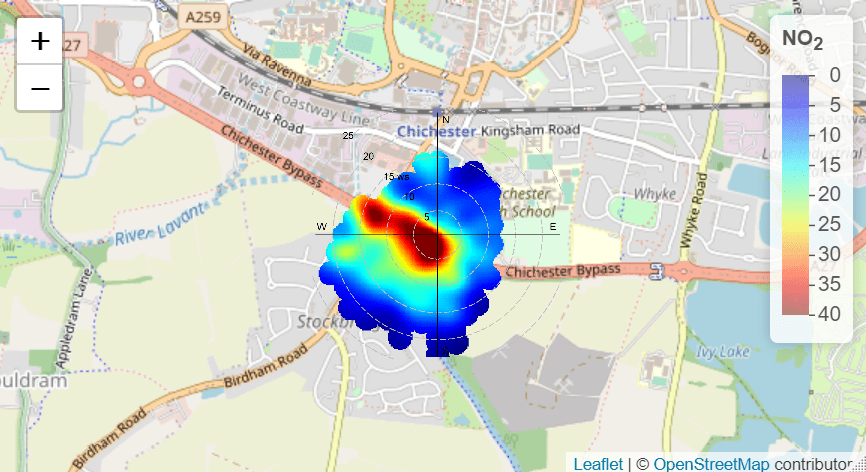
The Problem with the UK’s Air Quality Monitoring Network Air Quality Standards (AQS) are limits set by law for various pollutants to protect the public, especially those who are most vulnerable, from excessive pollution. However, there are no globally enforceable AQSs, and the UK’s AQSs are less strict than the non-binding World Health Organization (WHO)ContinueContinue reading “Going beyond compliance: Doing more with your data?”
The Air Quality Positive Approach: Key Takeaways for Developers
With the expansion of the Ultra-Low Emission Zone and decreasing emissions from the average vehicle, air quality across London is generally improving. As such, an ever-increasing area is becoming compliant with the UK’s National Air Quality Standards (AQSs) and other local targets. However, it is widely acknowledged that there are no safe levels for someContinueContinue reading “The Air Quality Positive Approach: Key Takeaways for Developers”
Air Quality Assessments and the Planning Process

Air Quality Assessments and the Planning Process Air quality and odour assessments are often required by planning applications to ensure that the proposed development does not have an adverse impact on local air quality or create unacceptable levels of odour for nearby residents. In the UK, there are several types of planning applications, including: FullContinueContinue reading “Air Quality Assessments and the Planning Process”
Odour and Noise Management Plans for Commercial Kitchens

Odour and Noise Management Plans for Commercial Kitchens Odour and noise management plans are required to ensure that businesses operate in a responsible and sustainable manner, and to minimize their impact on the environment and local communities. These plans are also needed to comply with relevant laws and regulations and to meet the expectations ofContinueContinue reading “Odour and Noise Management Plans for Commercial Kitchens”
 Greenavon Air Quality Consultants