

The Pros of Indoor Vegetation on Air Quality
Indoor air quality is crucial for maintaining a healthy living environment, especially as people spend up to 90% of their lives indoors. Poor air quality can cause various health issues, including headaches, allergies, respiratory problems and is a long term risk factor in heart disease and many cancers. One way to improve indoor air quality is to add indoor plants to your living space. In this article, we’ll explore the pros and cons of indoor vegetation on air quality and share insights from a NASA study on the best indoor plants for air purification.
The benefits of indoor vegetation on air quality include:
- Air purification: Indoor plants are natural air purifiers that absorb harmful toxins and chemicals from the air, including volatile organic compounds (VOCs) and formaldehyde. These toxins are commonly found in household cleaning products, furniture, and building materials. Having plants inside your home can help remove these toxins, resulting in cleaner and fresher air.
- Humidity regulation: Plants release moisture into the air through a process called transpiration, which can help regulate indoor humidity levels. This is especially beneficial during the winter months when indoor heating can dry out the air, leading to dry skin and respiratory problems.
The Cons of Indoor Vegetation on Air Quality
Having indoor vegetation can however worsen indoor air quality and the cons of indoor vegetation on air quality include:
- Allergies: While plants can improve air quality, they can also trigger allergies in some people. If you have allergies or asthma, certain types of plants may exacerbate your symptoms. It’s essential to research which plants are safe for your particular health needs.
- Overwatering: Overwatering plants can lead to mould growth, which can affect indoor air quality negatively. It’s crucial to ensure that plants are watered appropriately and are not overwatered.
- Pest problems: Plants can attract pests, such as insects and spiders, which can also affect indoor air quality negatively. Regular maintenance and cleaning can help prevent pest infestations.

What Plant Species benefit Indoor Air Quality?
In the late eighties, NASA conducted a study on the filtration capacity of many common indoor plants. The study, and subsequent studies by the studies author, Bull Wolverton, concluded that the best indoor plants for air quality included:
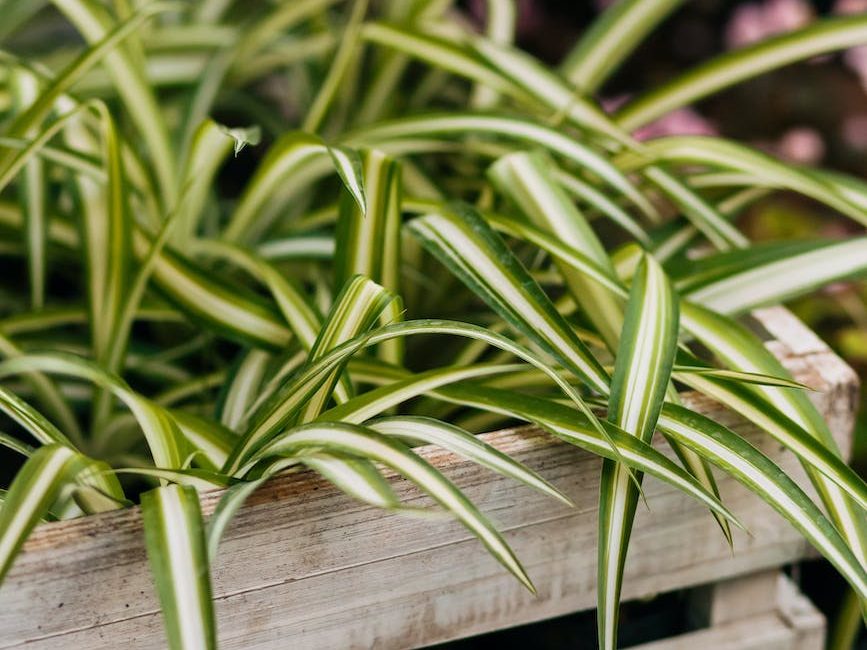
- Spider Plant: This plant is one of the easiest to care for (and propagate) and is known for removing formaldehyde and xylene from the air.
- Peace Lily: The Peace Lily is another excellent air purifying plant that is effective in removing benzene, formaldehyde, and trichloroethylene.
- Boston Fern: This plant is an excellent natural humidifier and is effective in removing formaldehyde and xylene from the air.
The filtration effects of plants can, however, be offset by what plants release. Whilst the English Ivy is effective in removing mould spores from the air, it can also cause skin irritation and respiratory problems in some people. Other plants which release allergens include the Ficus genus.
Adding plants to your living space can have a significant impact on your mental health and wellbeing. Studies have shown that indoor plants can reduce stress levels, boost mood, and improve concentration. Simply being in the presence of plants can help to create a calming and relaxing environment, which can have a positive effect on your overall mental wellbeing.
Indoor plants can also have a practical benefit by reducing noise levels in your living space. Plants have the ability to absorb sound waves, which can help to reduce the impact of noise pollution in your home. This can be especially useful if you live in a noisy area or have thin walls, where noise from outside or adjacent apartments can be a constant source of irritation. By strategically placing plants around your living space, you can create a natural sound barrier that can help to create a quieter, more peaceful environment.
In conclusion, indoor vegetation can have many benefits for air quality, including air purification, humidity regulation, stress reduction, and noise reduction. However, it’s essential to consider potential cons, such as allergies, overwatering, and pest problems. When selecting indoor plants, it’s crucial to research which plants are safe for your particular health needs. By selecting the right plants and taking proper care of them, you can enjoy the many benefits of indoor vegetation for air quality and your overall wellbeing.
 Greenavon Air Quality Consultants